
Tottori hotels: choosing an area first
Tottori hotels are spread across a prefecture with no single centre, so the best first step is to choose an area, not a building. The prefecture is long from east to west, and the tourist authorities describe an eastern, a central and a western region. The east holds Tottori city and the coast towards Uradome. The centre holds Kurayoshi, Misasa and Yurihama. The west holds Yonago, Daisen and Sakaiminato. Use that split as a way to think about travel times, not as an administrative rule.
This page names areas, not individual properties, and gives no room rates, so check prices and meal options with the place you book. For tottori prefecture hotels in general, the questions below should narrow the search: do you want a city base with trains and buses, a coastal onsen district, or a quiet river town?
Where to stay in Tottori: city, west or onsen town
Pick the base that matches your main plan.
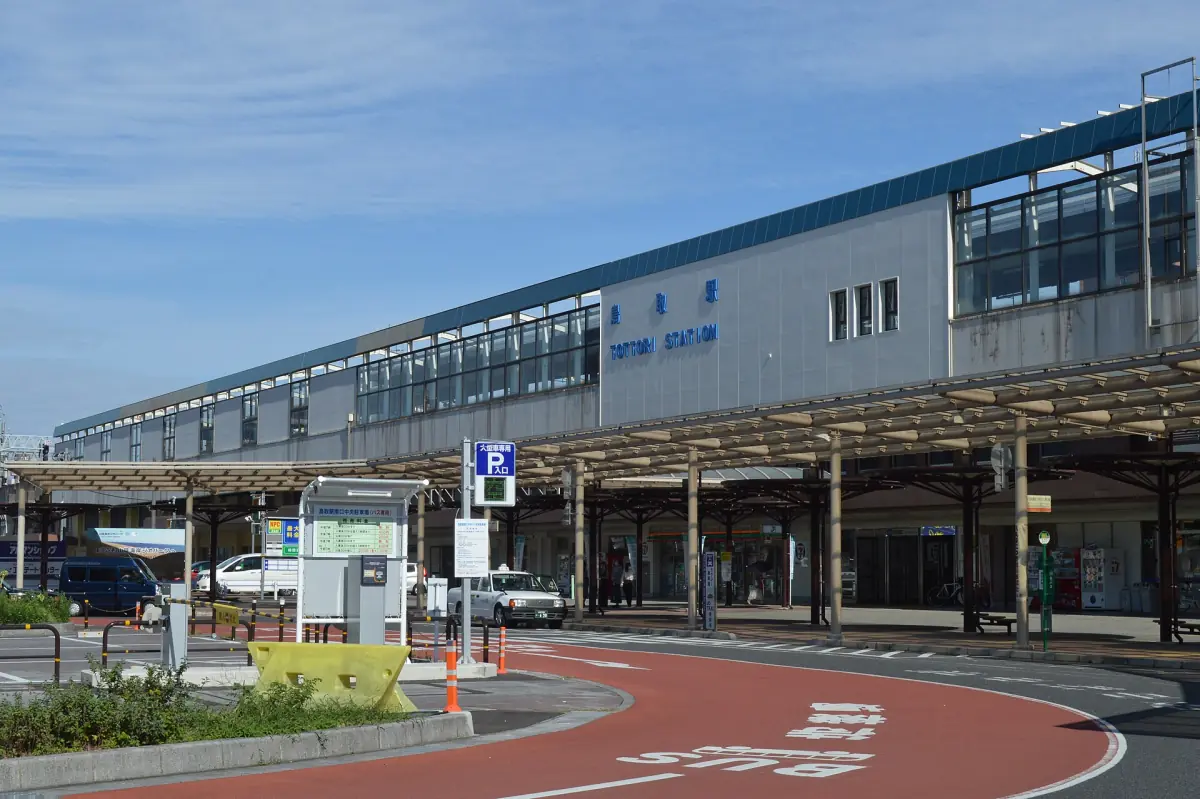
Tottori city
The east's transport hub. The airport bus runs to the station in about 20 minutes, and from the station a bus reaches the Karo port area in about 35 minutes. Good if the castle ruins and the city are your focus. See Tottori city.
Yonago
The western rail junction on the Yakumo corridor, with the airport bus and the bus to Daisen-ji. It works well as a practical base with trains and buses close by. See Yonago.
Kaike
The onsen and lodging district on Yonago's coast, separate from the city centre and station area. Its springs are salt springs. The prefecture's lodging listing includes ryokan in this district.
Misasa
A ryokan and onsen town in the inland centre, reached by bus from Kurayoshi. A natural base for the baths and for Mount Mitoku. See Misasa Onsen.
Hawai and Togo
Two more onsen areas on Lake Togo, in Yurihama, with lodgings listed by the prefecture. Do not confuse Hawai with Hawaii in the United States.
Our pick: a pottery workshop from Tottori Station
A pottery workshop with a round-trip transfer from the tourist information at Tottori Station.
Hand-picked tours, booked through Viator. Prices are indicative starting prices in US dollars (as of October 2026). Tap a tour for live availability and the current price in your currency.
Tours from your base
Walks, tastings and day trips you can add to a stay, whichever area you choose.
A base in Tottori city
The city of Tottori suits visitors who arrive by the Super Hakuto or by plane and want everything within reach of a single station. The airport bus connects with the station, and a bus from the station serves the seafood market at Karo. Hamamura Onsen belongs to Tottori city too, close to Hamamura Station, with about two minutes on foot to its tourist centre.
For the dunes, the sister site Tottori Sand Dunes: where to stay covers lodgings near the dunes. A stay in Tottori city also leaves the east open for a trip further along the coast.
A base in Yonago or Kaike
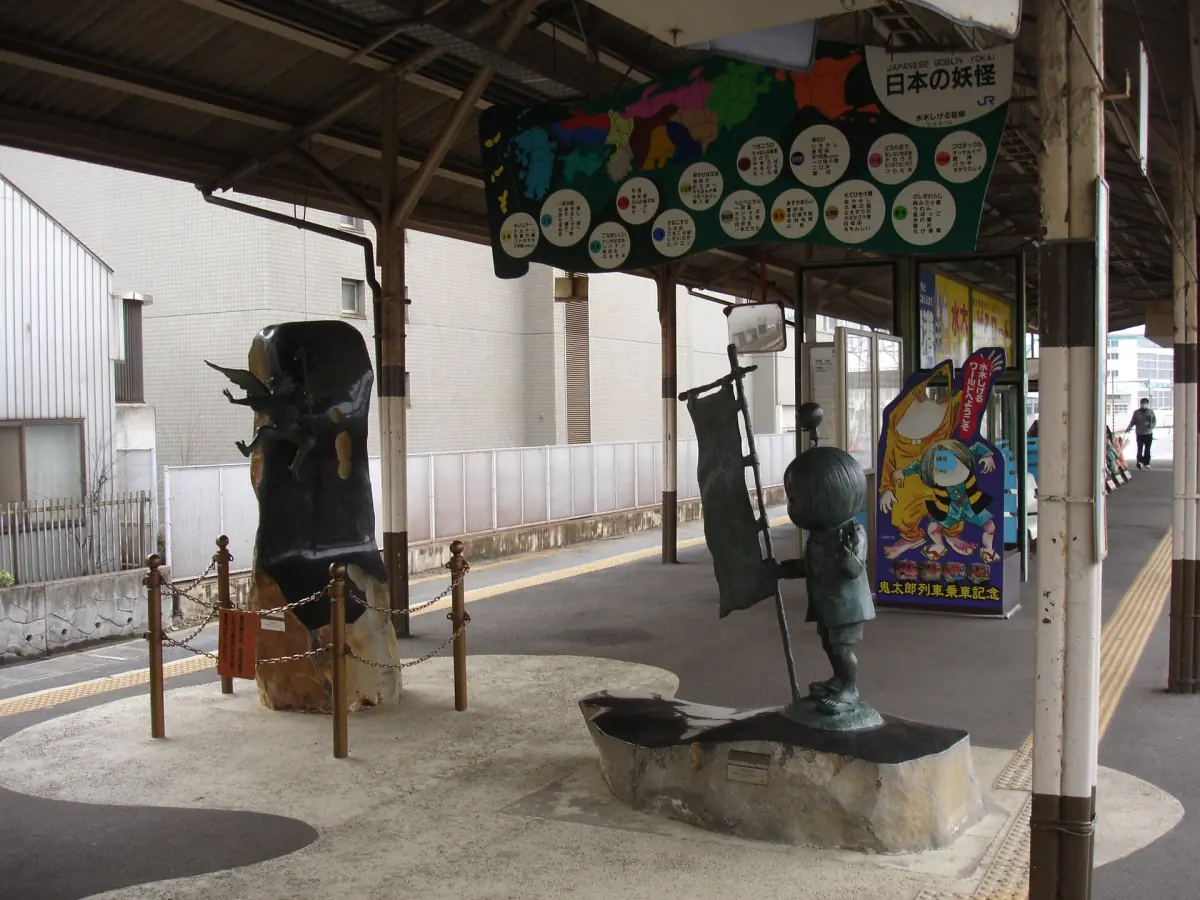
Yonago is the practical choice for the west. From JR Yonago Station, a bus takes about 50 minutes to Daisen-ji, and the airport bus takes about 25 minutes to the station. Sakaiminato, the port with the Mizuki Shigeru Road, is easy to add as a separate outing from here. Kaike lies on the coast, away from the station area, and appeals to travellers who want a bath at the end of the day. The Kaike day bath OU Land charges 550 JPY for adults, but its rules apply to that facility only, and other baths set their own.
Staying in the west puts Mount Daisen, the port and the old merchant town of Kurayoshi in reach of a day trip. Read about Mount Daisen and Sakaiminato before you decide how many nights to book.
A base in Misasa or around Lake Togo
Misasa suits a slower trip centred on bathing. The bus from Kurayoshi takes about 20 minutes, and timetables are best checked before you travel. The Yu-Yu 2-day pass costs 1,300 JPY and covers listed bus lines around Kurayoshi, Misasa, Mitoku, Hawai and Togo. Lake Togo, in Yurihama, is another onsen area, with foot baths listed separately for visitors who just want a short soak.
Whichever area you choose, ask about check-in times, meals and any bath rules directly with the place, because those differ from one property to the next. Read how to get to Tottori for the train and bus details, and Tottori weather and the best time to visit if you are still choosing a month.
Tottori hotels and where to stay: frequently asked questions
Which area should I choose for a first visit to Tottori?
For a first visit, Tottori city suits sightseeing in the east, while Yonago is a practical base for Daisen and Sakaiminato in the west. Misasa suits a slower onsen stay.
Is Kaike part of Yonago?
Yes. Kaike is the coastal onsen district of Yonago, separate from the station area. It lies on the Yumigahama peninsula.
How do I get to Misasa from the airport?
Take the airport bus from Tottori Airport to Kurayoshi, about 45 minutes, then a bus to Misasa, about 20 minutes. A direct airport bus to Misasa no longer runs.
Do all onsen allow the same rules?
No. Each bath sets its own rules, so ask the property or the bath before you go. The rules of OU Land in Kaike apply to that facility only.